From Docks to Darlings: Seattle’s evolving story
Every pier, warehouse and neighborhood tells a chapter—from indigenous stewardship of the Sound to salmon-packed canneries, from logging camps to coffee-led tech booms.
Table of Contents
Origins & Native Presence
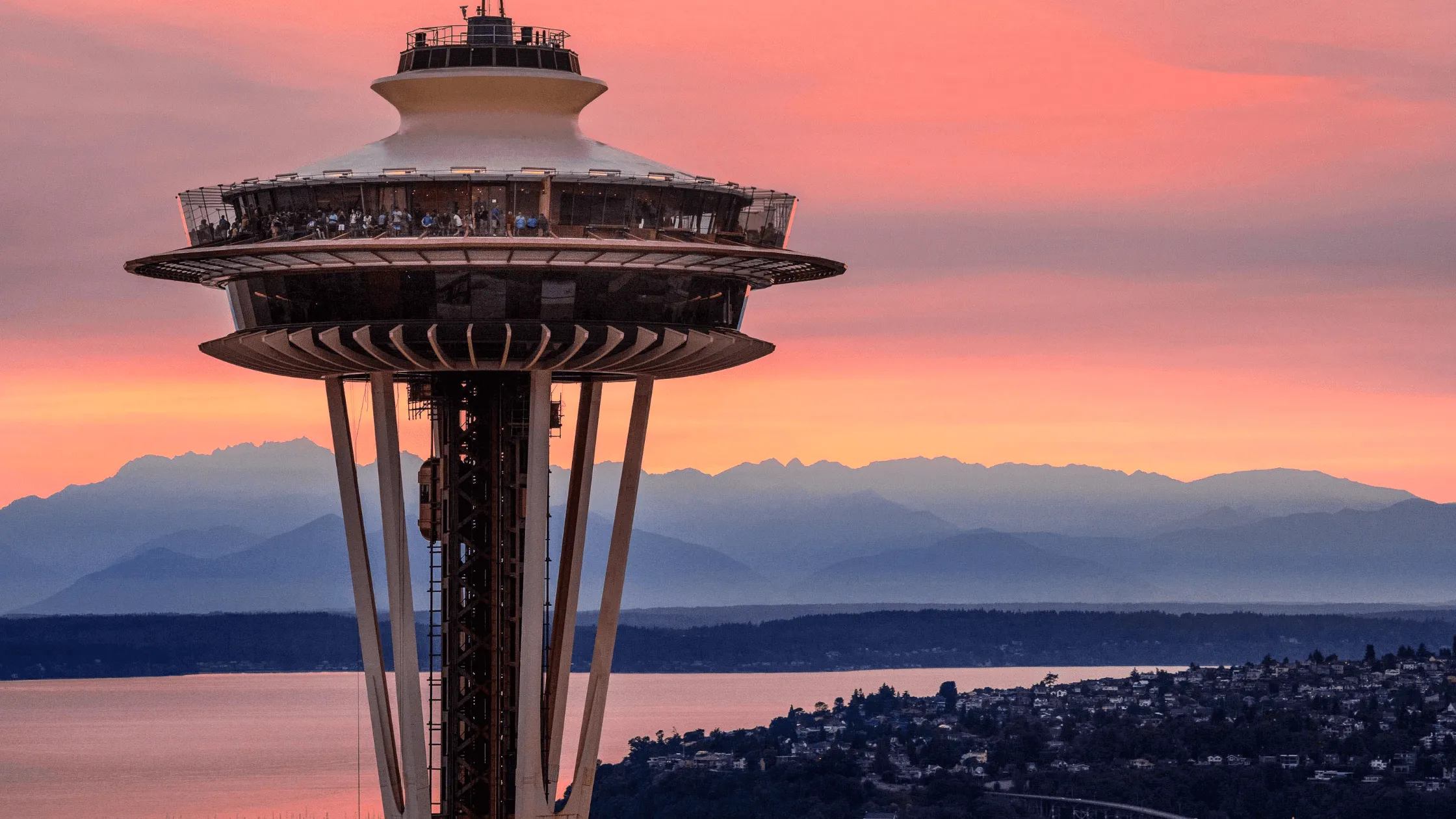
Long before settlers arrived, the lands and waters around what is now Seattle were stewarded by Coast Salish peoples—Duwamish, Suquamish, and other tribes—who fished, gathered, and cared for the shoreline and forests of the Salish Sea for generations. Their intimate knowledge of tides, salmon runs, and seasonal cycles shaped the patterns of life here and left an enduring cultural legacy that echoes in place names, stories, and continued tribal presence in the region.
A hop-on hop-off loop traces the edges of that history: where wooden canoes once threaded eelgrass beds now lie ferries and pleasure craft, and plaques and local museums help visitors connect contemporary Seattle to the deeper narratives of indigenous life and resilience.
The Early Port & Pioneer Days
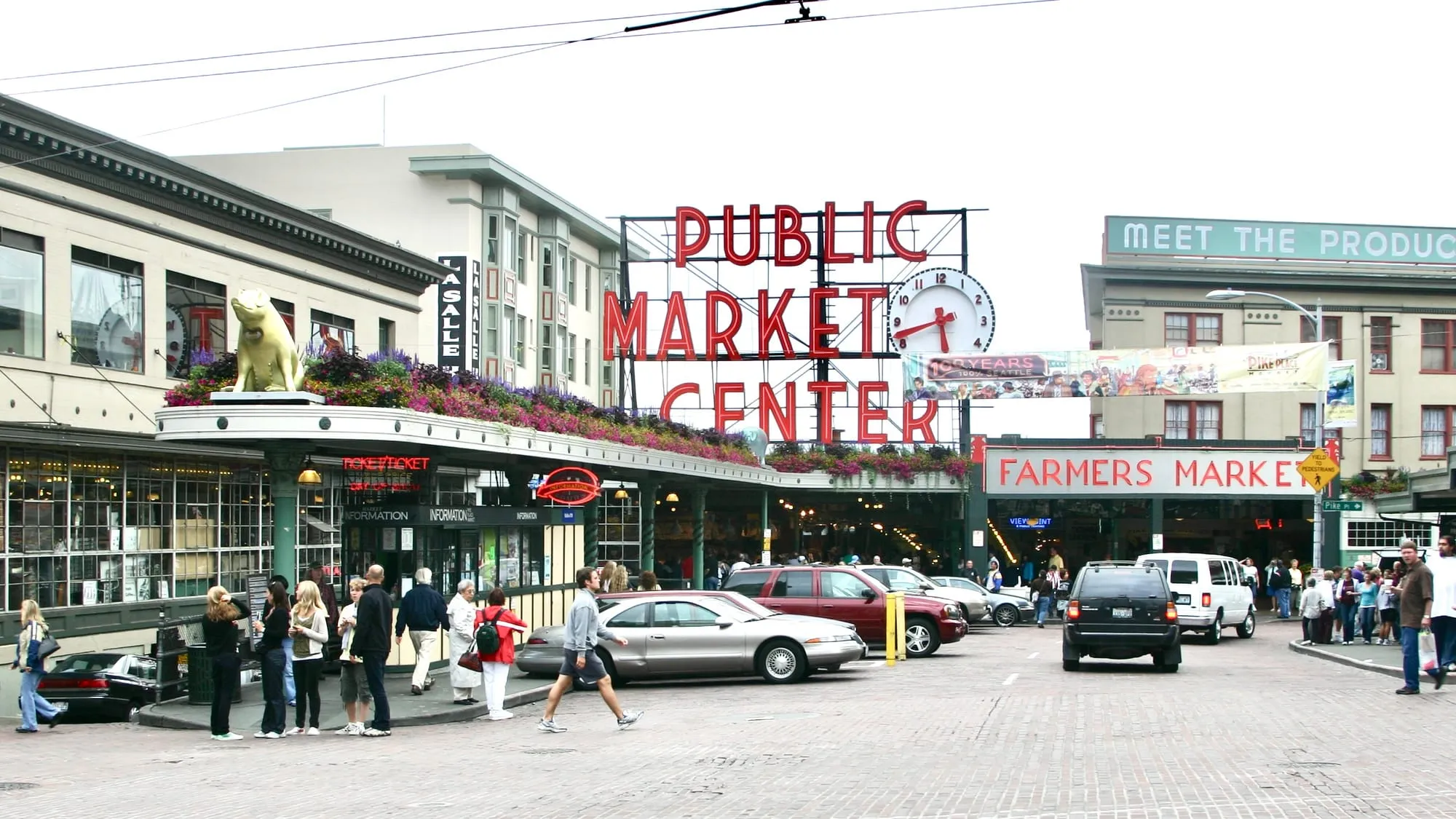
In the mid-19th century, settlers and entrepreneurs established a port at Elliott Bay, drawn by timber, fish, and the promise of trade. Logging and shipping shaped early Seattle’s economy and footprint: sawmills and timber camps fed a boom that built wharves, warehouses, and the first downtown streets. Pioneer Square still preserves the brick-and-iron bones of that era—a compact reminder of the city’s gritty, industrious origins.
Riding the hop-on hop-off circuit through Pioneer Square and the waterfront gives a clear sense of how transportation—rail, ship, and road—made Seattle a regional hub and set the stage for later waves of growth.
Fishing, Shipping & Maritime Life
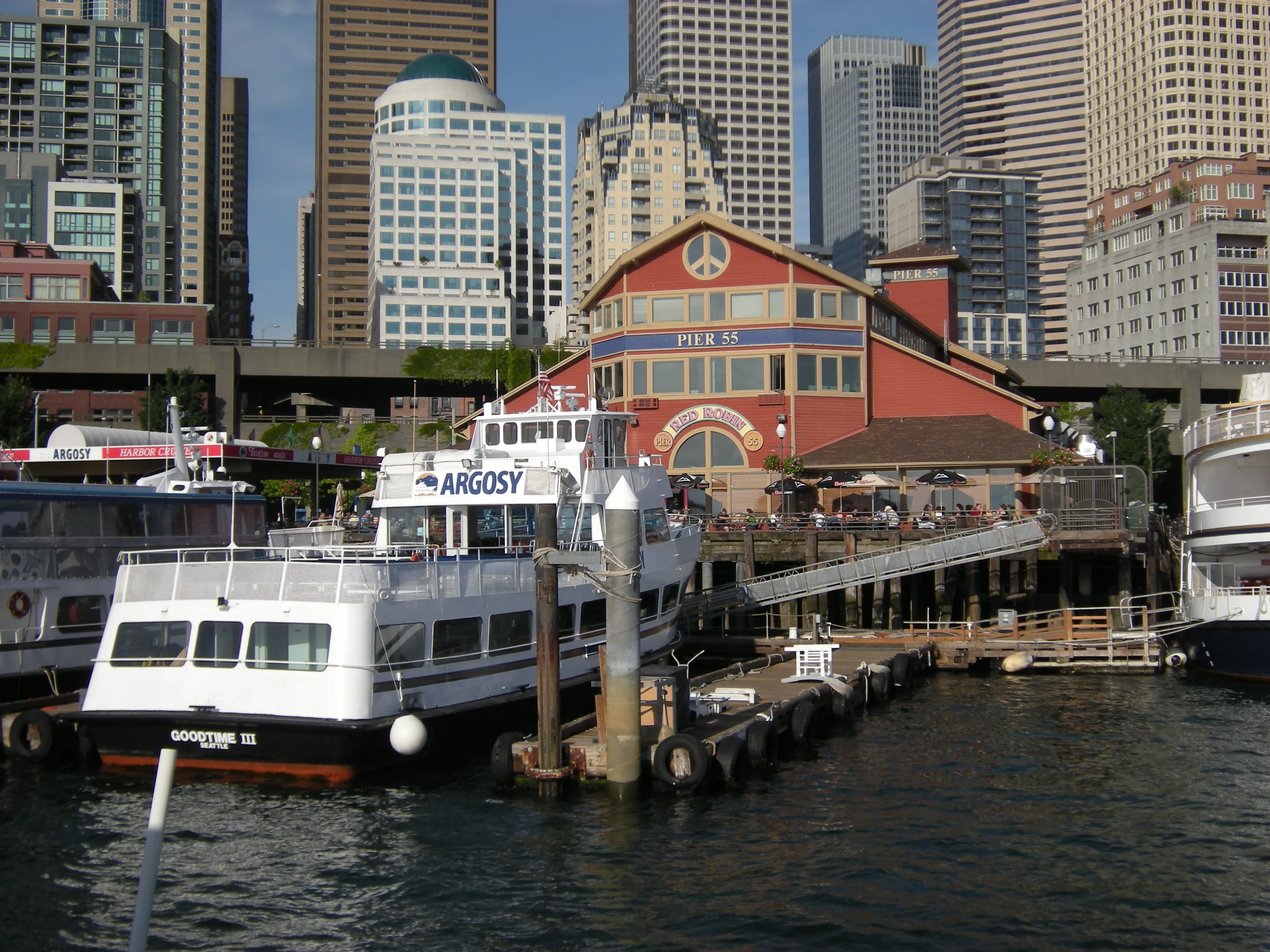
Seattle’s waterfront was long defined by the rhythm of the sea: salmon canneries, maritime trade, and ferry traffic knit communities together across the islands and peninsulas. The working harbor shaped neighborhoods and livelihoods; traditions of boatbuilding and fish processing fed local economies and international markets alike.
Today the waterfront blends working docks with public promenades and marketplaces—hop off to watch ferries depart, visit the Seattle Aquarium, or simply enjoy the smell of salt air and the sight of sea birds wheeling above the piers.
Logging, Railroads & Urban Growth
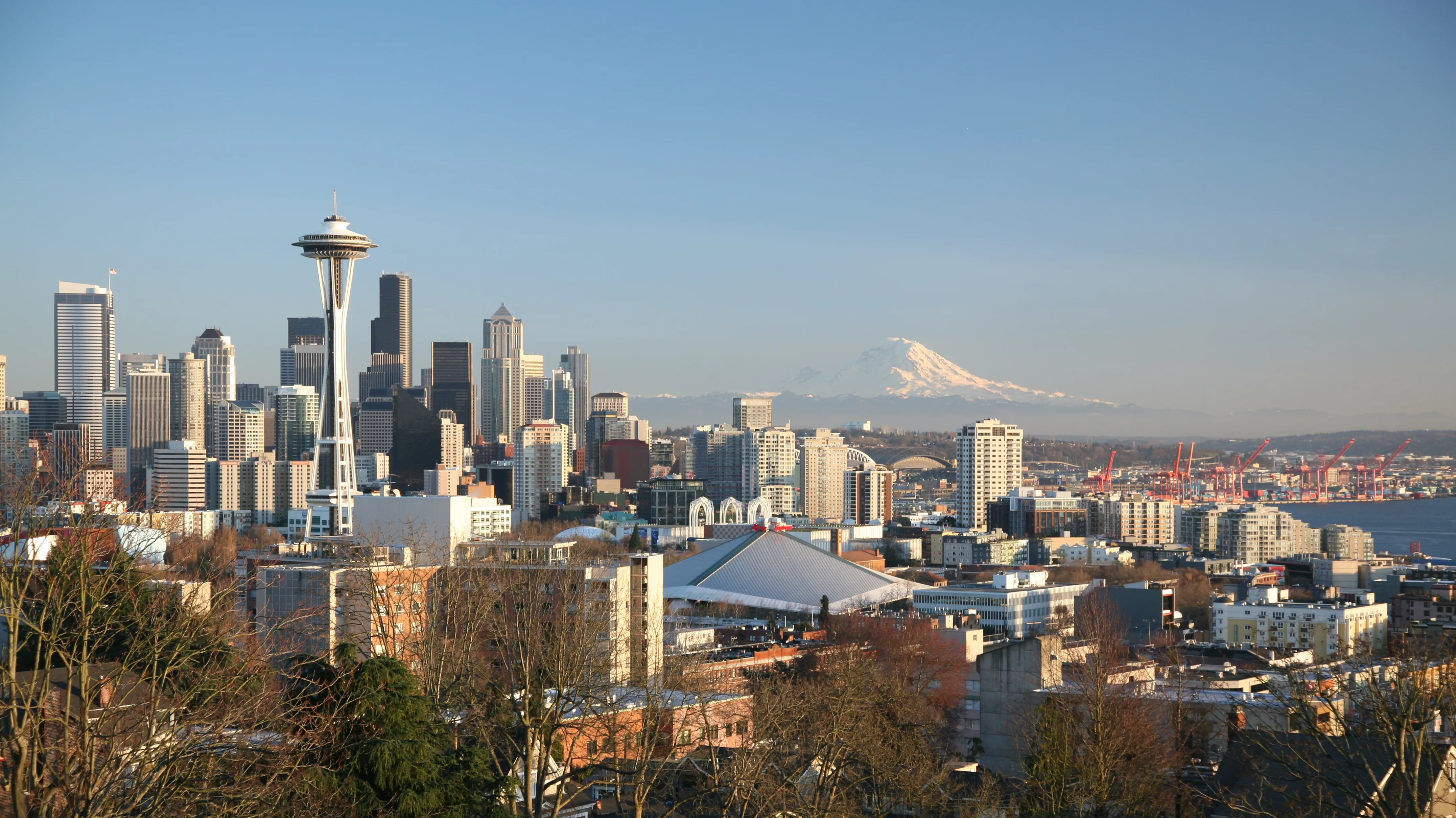
Rail connections and logging booms in the late 19th and early 20th centuries fueled rapid urban growth. Lumber moved from forest to ship to export, and rail lines threaded into the hinterlands to support industry. As the city grew, neighborhoods sprouted around transportation nodes, each with its own character and immigrant communities.
The hop-on hop-off route makes these industrial roots legible: warehouse districts repurposed as galleries and cafés reveal a history of adaptation and reinvention.
World’s Fairs, the Needle & Civic Identity
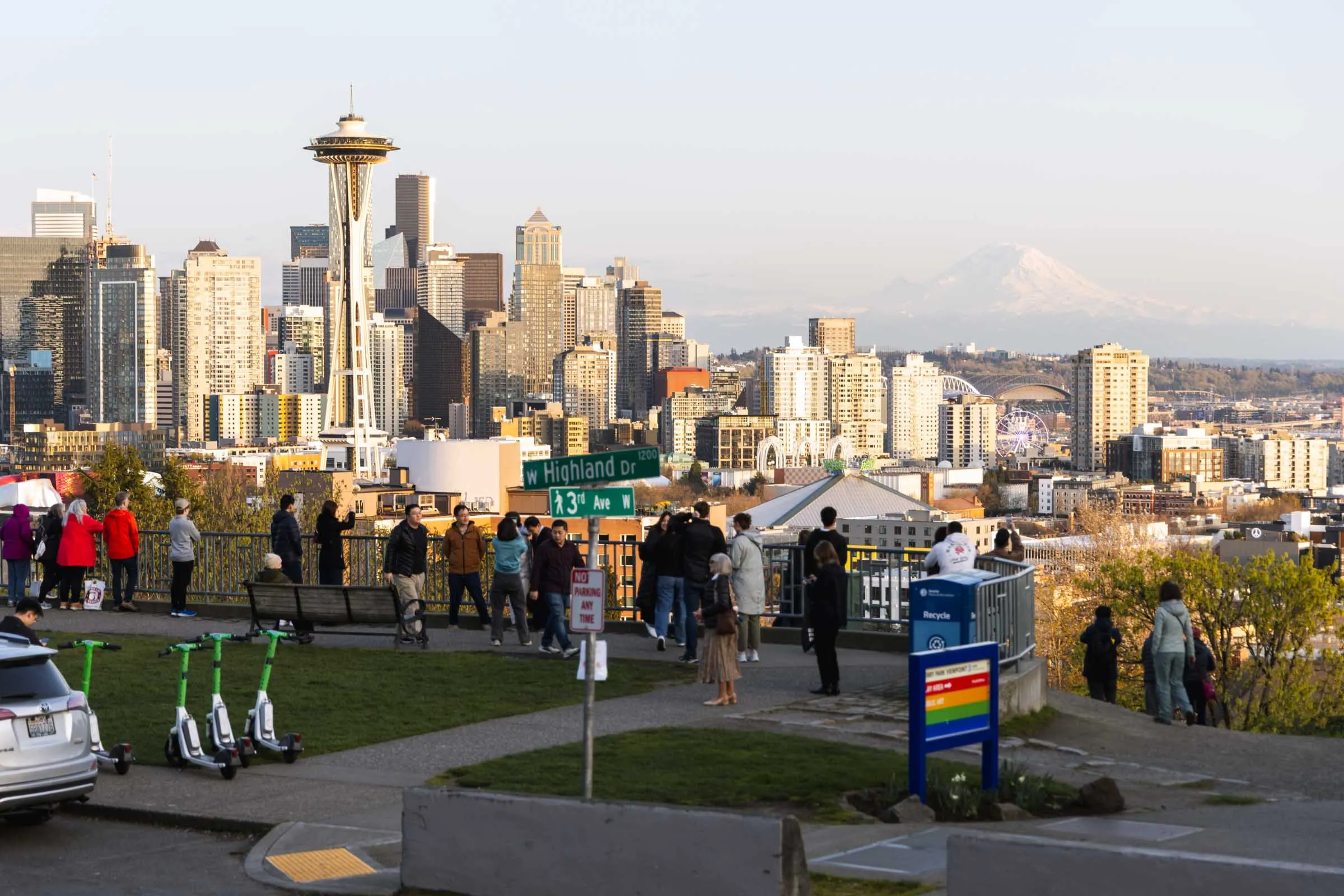
The 1962 World’s Fair reshaped Seattle’s skyline and global profile—the Space Needle and Seattle Center became enduring symbols of civic ambition and mid-century optimism. That transformative moment connected the city to a narrative of innovation and design that later helped shape Seattle’s identity as a center for culture and technology.
Visitors boarding near Seattle Center can see how that fair’s legacy continues in museums, performance spaces, and civic festivals.
Music, Culture & the Grunge Era
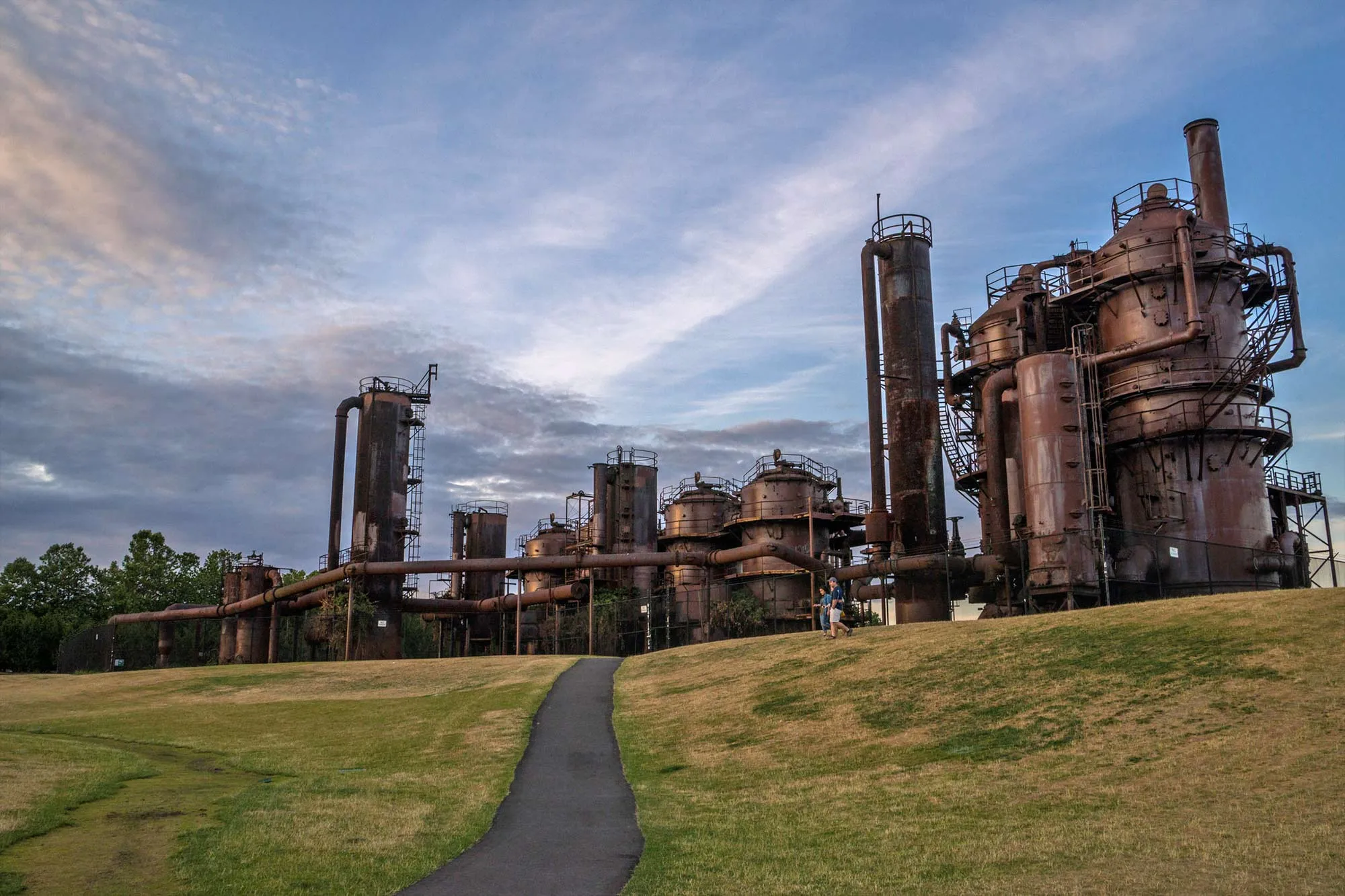
Seattle’s musical traditions—from folk and jazz to the explosive grunge scene of the late 1980s and early 1990s—added a cultural dimension that profoundly influenced youth culture worldwide. Iconic clubs and record stores fostered a DIY spirit that still colors neighborhoods like Capitol Hill and Ballard.
Hop off in music-rich neighborhoods to find murals, vinyl shops, and venues that celebrate the city’s sonic history.
Neighborhoods & Immigrant Stories
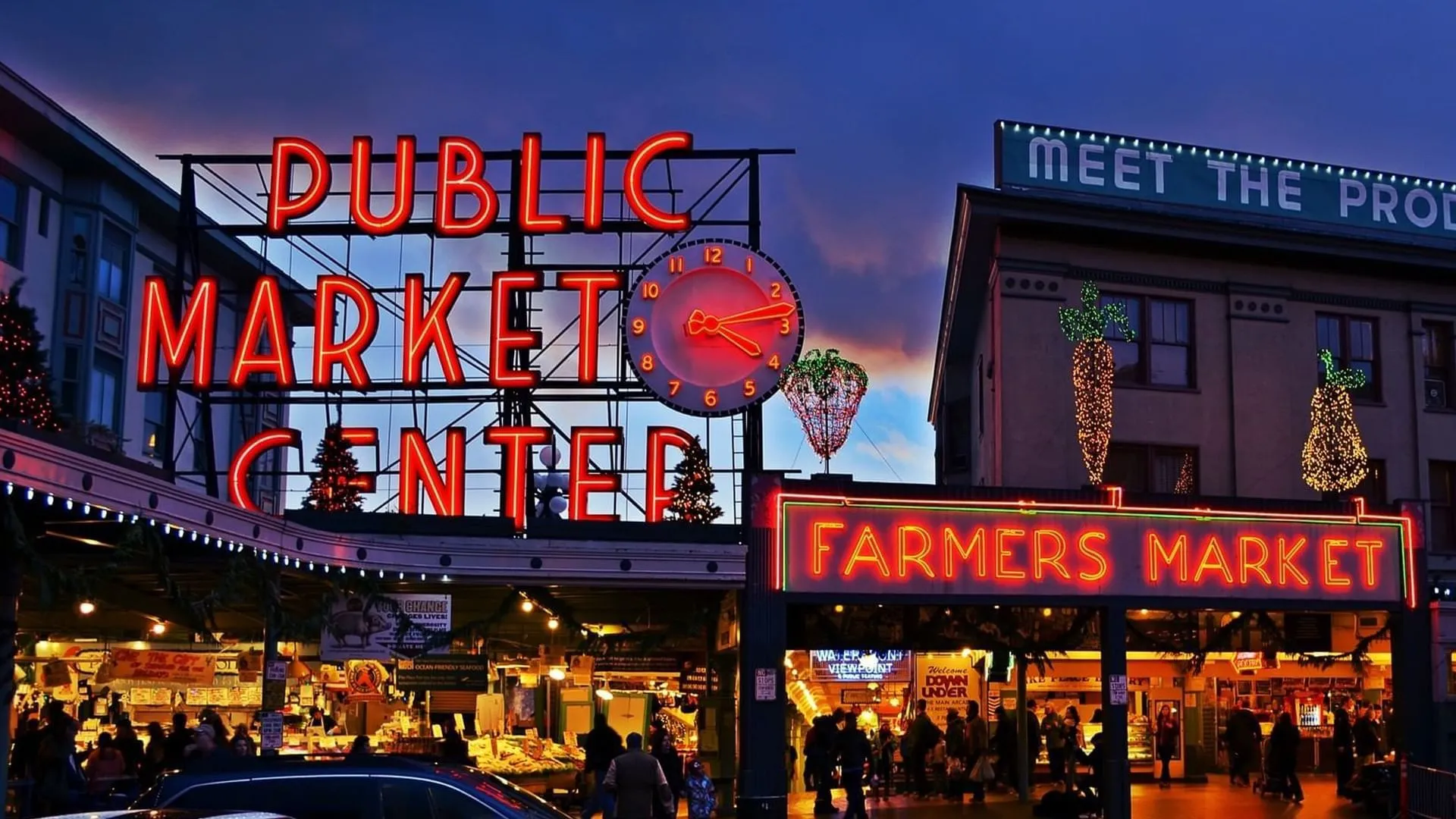
Seattle’s neighborhoods reflect waves of immigration and settlement: Chinatown-International District with its Asian markets and bakeries, Ballard’s Scandinavian heritage, and the diverse communities of South Seattle. Each area contributes food traditions, festivals, and shopfronts that make the city richly textured.
Using the bus to visit multiple neighborhoods in a day reveals how different parts of the city relate to one another and why local residents value both community history and new cultural contributions.
Tech Growth & Urban Change
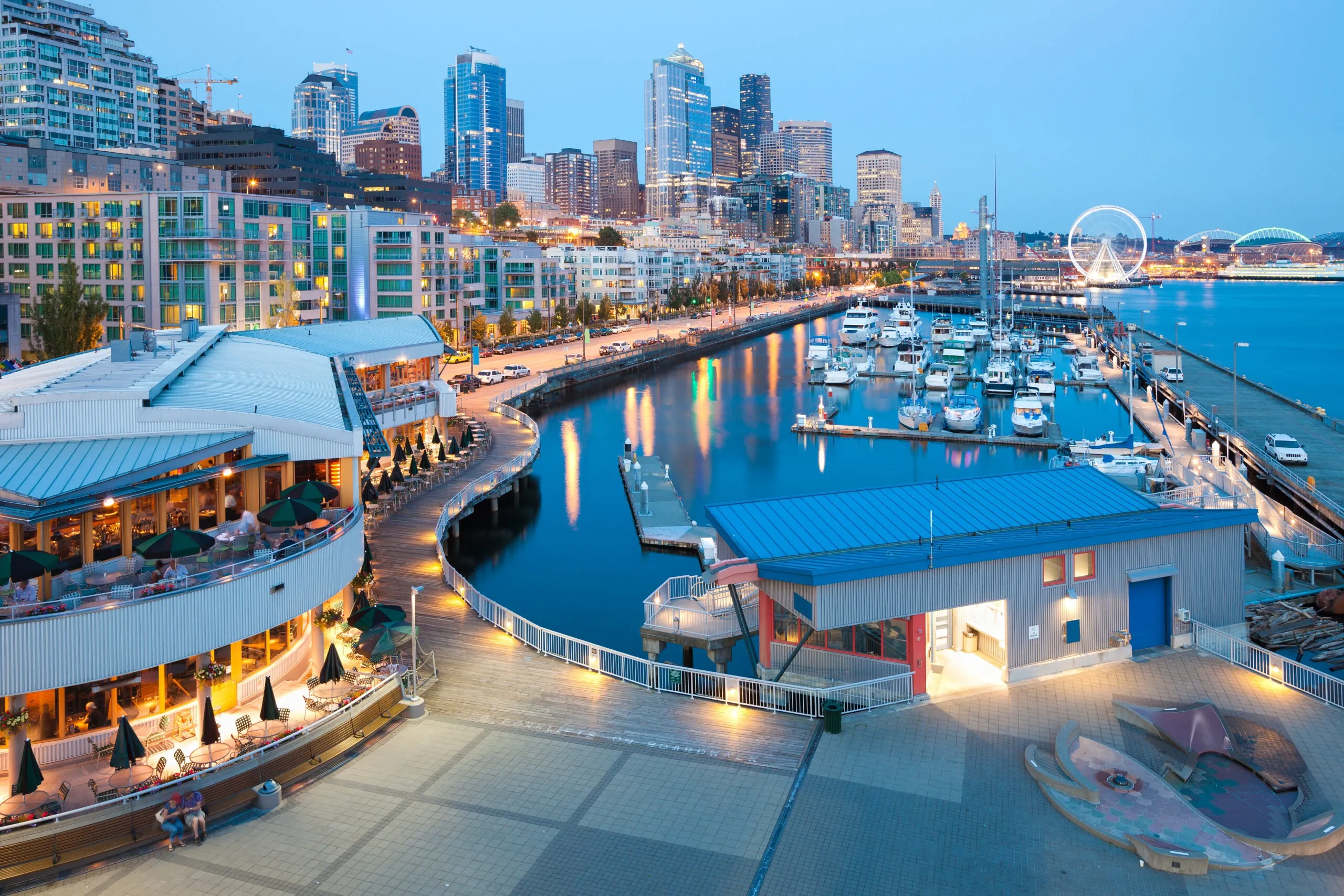
The arrival and expansion of technology companies reshaped Seattle’s economy and skyline in recent decades, bringing jobs, population growth, and new development. This shift increased demand for housing and spurred creative reuse of older industrial spaces into offices, galleries, and restaurants.
Hop-on hop-off routes show both the glass towers and the historic buildings that coexist in modern Seattle, offering a lens on growth and the tensions of rapid change.
Maritime Ecology & Conservation
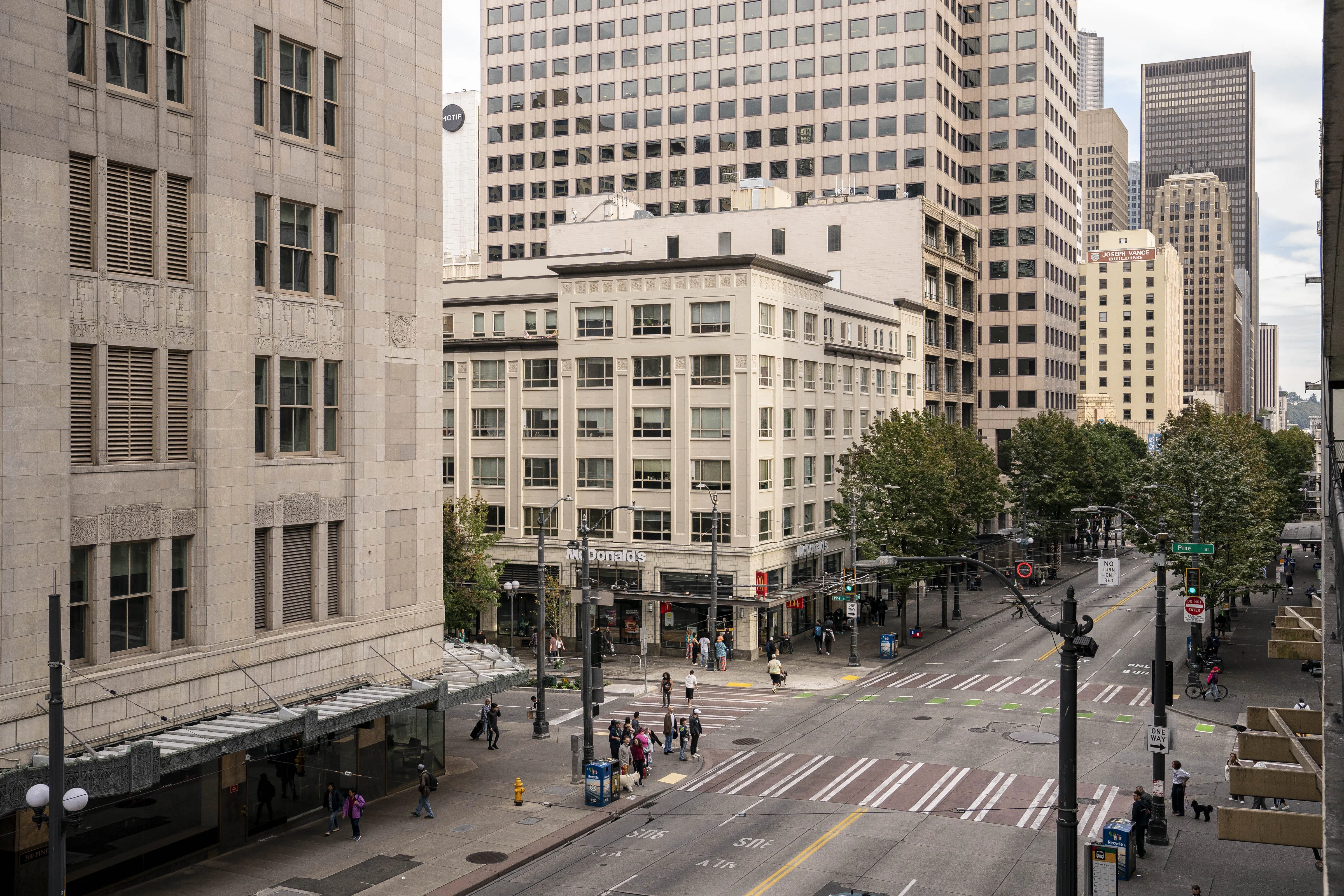
Seattleers are increasingly connected to the waterways that surround them—efforts to restore salmon habitat, protect eelgrass beds, and reduce stormwater impacts reflect a growing civic commitment to ecological stewardship.
Stops near the waterfront provide opportunities to learn about conservation projects and to support local organizations working to protect the sound.
Planning Your Visit & Practical Tips
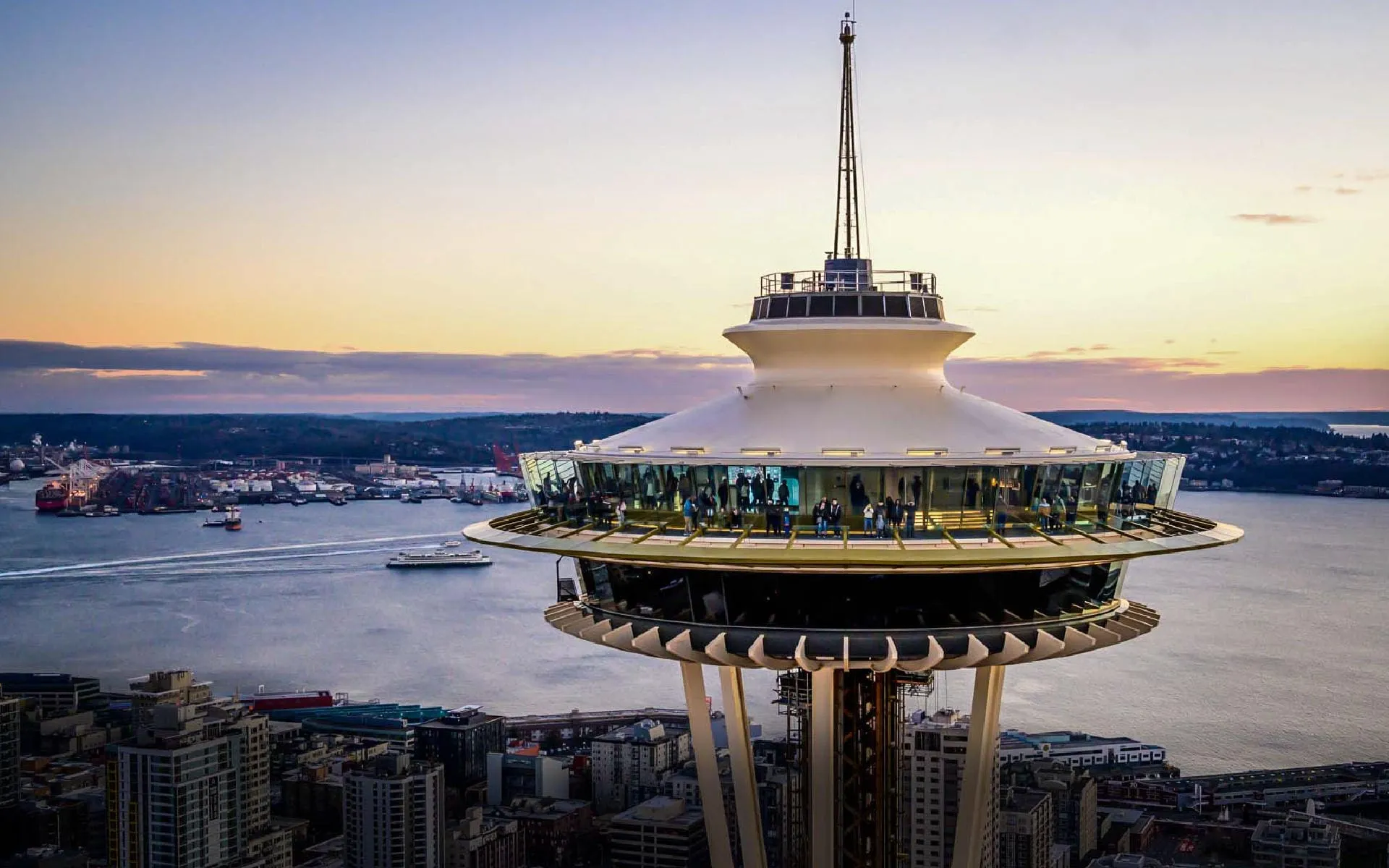
Choose a pass that fits your style: a single loop for orientation, a full day for museum and neighborhood hopping, or a multi-day pass if you want to savor more of the region. Factor in ferry schedules if you plan to cross to Bainbridge or other islands.
Pair a waterfront walk with a market visit for variety: fresh seafood, artisan stalls, and a relaxed harbor stroll make for a perfect half-day pairing.
Adaptive Reuse & Creative Spaces
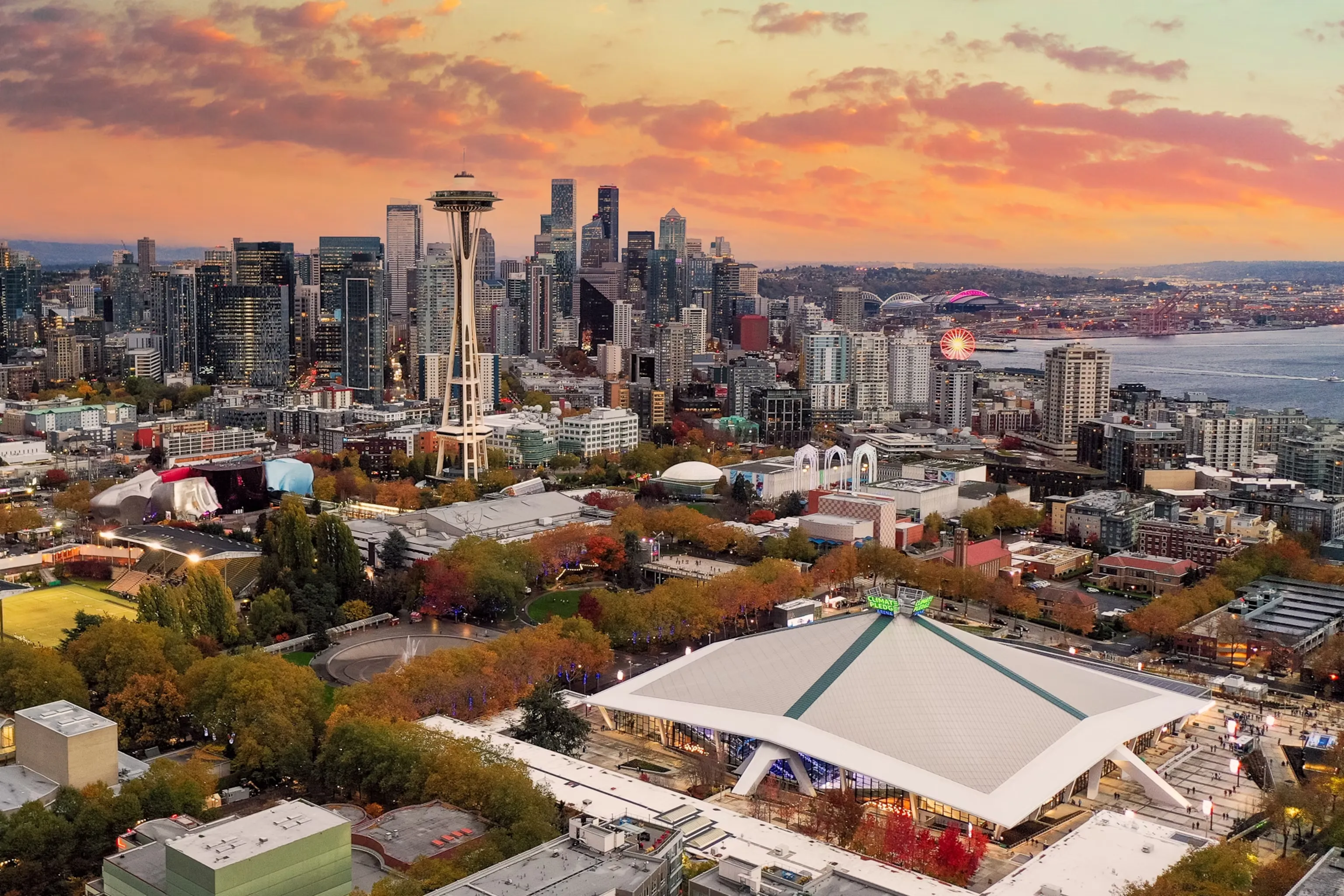
Brick warehouses and industrial sheds have been transformed into galleries, breweries, and coworking spaces—adaptive reuse that keeps the city’s character while supporting contemporary life.
The hop-on hop-off circuit is a great way to visit repurposed districts and discover lively local makers.
Side Trips: Islands, Parks & Trails
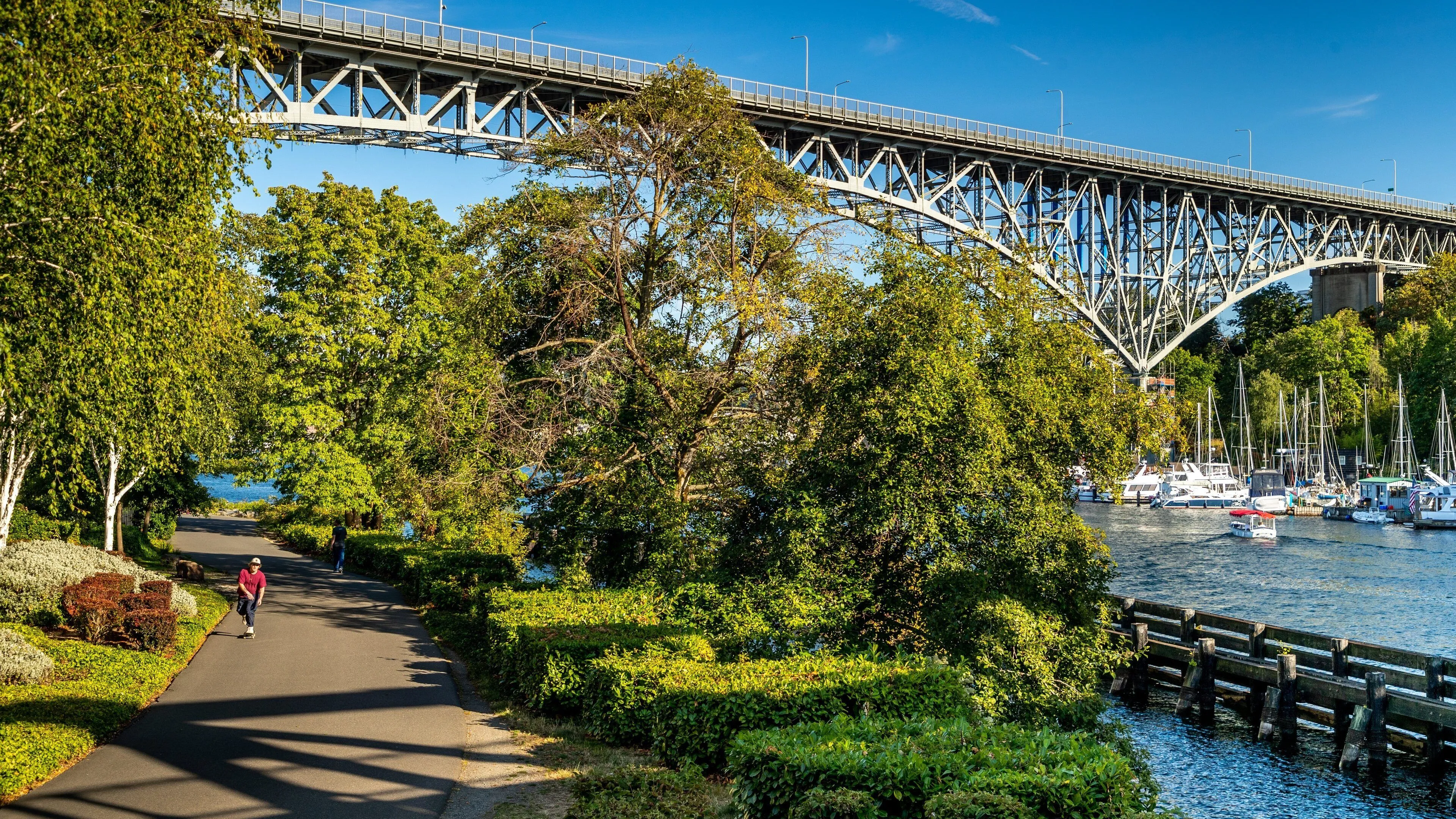
Use the bus as a spine for side trips: ferries to Bainbridge Island offer a quick maritime escape, while green spaces like Discovery Park and the Arboretum invite restorative walks away from the urban buzz.
If you have more time, an island day trip or a hike along local trails can complement a city-focused bus day and show a different side of the region’s natural beauty.
How the Bus Connects the City
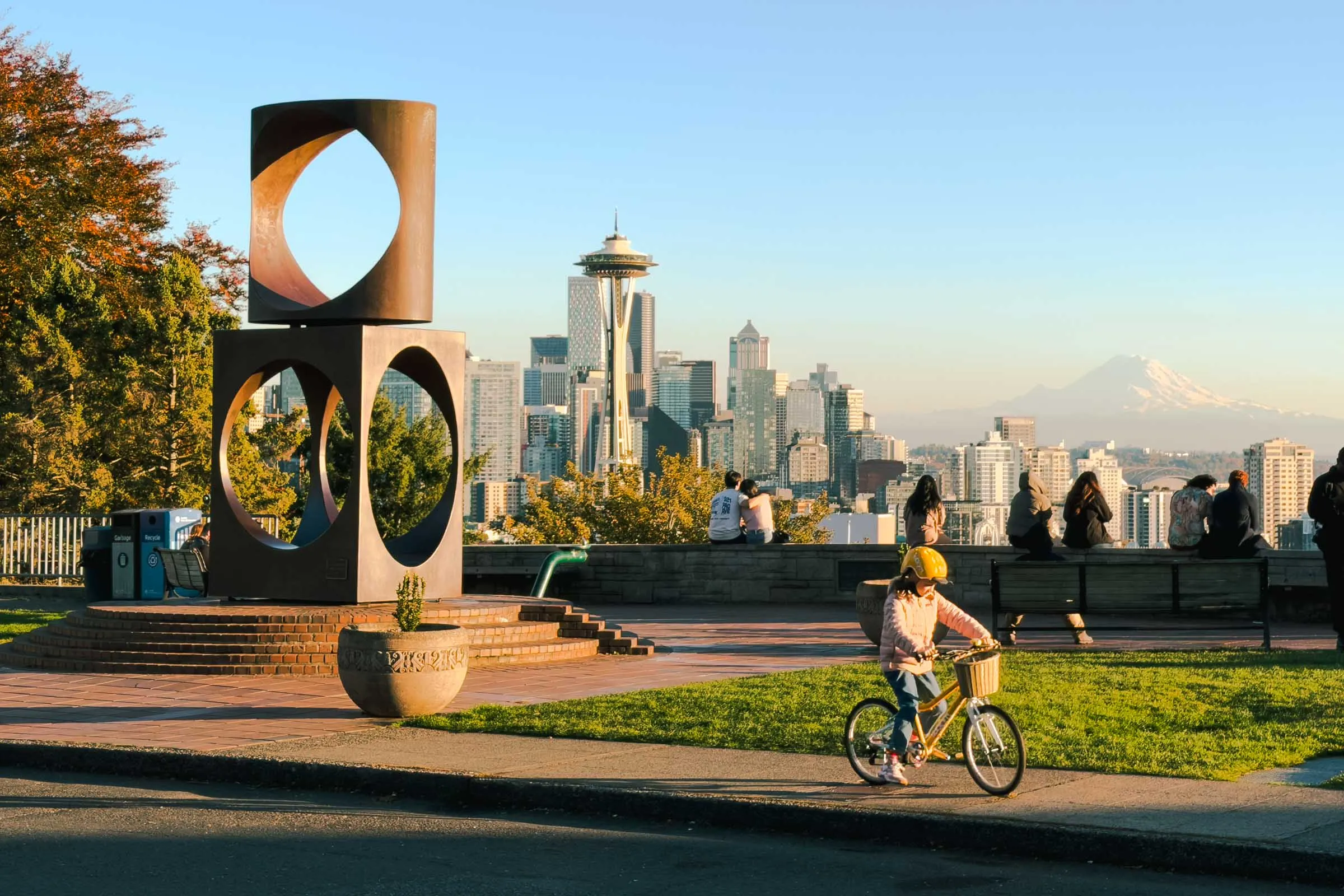
Seattle’s charm comes from contrasts—water and hills, old warehouses and gleaming towers, coffee shops and ferry terminals. A bus ride helps you stitch those contrasts into a single, coherent day: you see how neighborhoods touch the water, where cultural anchors sit, and where to linger.
By the end of the route, you’ll have a mapped sense of place: the food that fuels the city, the views that draw photographers, and the neighborhoods that locals call home.
Table of Contents
Origins & Native Presence
Long before settlers arrived, the lands and waters around what is now Seattle were stewarded by Coast Salish peoples—Duwamish, Suquamish, and other tribes—who fished, gathered, and cared for the shoreline and forests of the Salish Sea for generations. Their intimate knowledge of tides, salmon runs, and seasonal cycles shaped the patterns of life here and left an enduring cultural legacy that echoes in place names, stories, and continued tribal presence in the region.
A hop-on hop-off loop traces the edges of that history: where wooden canoes once threaded eelgrass beds now lie ferries and pleasure craft, and plaques and local museums help visitors connect contemporary Seattle to the deeper narratives of indigenous life and resilience.
The Early Port & Pioneer Days
In the mid-19th century, settlers and entrepreneurs established a port at Elliott Bay, drawn by timber, fish, and the promise of trade. Logging and shipping shaped early Seattle’s economy and footprint: sawmills and timber camps fed a boom that built wharves, warehouses, and the first downtown streets. Pioneer Square still preserves the brick-and-iron bones of that era—a compact reminder of the city’s gritty, industrious origins.
Riding the hop-on hop-off circuit through Pioneer Square and the waterfront gives a clear sense of how transportation—rail, ship, and road—made Seattle a regional hub and set the stage for later waves of growth.
Fishing, Shipping & Maritime Life
Seattle’s waterfront was long defined by the rhythm of the sea: salmon canneries, maritime trade, and ferry traffic knit communities together across the islands and peninsulas. The working harbor shaped neighborhoods and livelihoods; traditions of boatbuilding and fish processing fed local economies and international markets alike.
Today the waterfront blends working docks with public promenades and marketplaces—hop off to watch ferries depart, visit the Seattle Aquarium, or simply enjoy the smell of salt air and the sight of sea birds wheeling above the piers.
Logging, Railroads & Urban Growth
Rail connections and logging booms in the late 19th and early 20th centuries fueled rapid urban growth. Lumber moved from forest to ship to export, and rail lines threaded into the hinterlands to support industry. As the city grew, neighborhoods sprouted around transportation nodes, each with its own character and immigrant communities.
The hop-on hop-off route makes these industrial roots legible: warehouse districts repurposed as galleries and cafés reveal a history of adaptation and reinvention.
World’s Fairs, the Needle & Civic Identity
The 1962 World’s Fair reshaped Seattle’s skyline and global profile—the Space Needle and Seattle Center became enduring symbols of civic ambition and mid-century optimism. That transformative moment connected the city to a narrative of innovation and design that later helped shape Seattle’s identity as a center for culture and technology.
Visitors boarding near Seattle Center can see how that fair’s legacy continues in museums, performance spaces, and civic festivals.
Music, Culture & the Grunge Era
Seattle’s musical traditions—from folk and jazz to the explosive grunge scene of the late 1980s and early 1990s—added a cultural dimension that profoundly influenced youth culture worldwide. Iconic clubs and record stores fostered a DIY spirit that still colors neighborhoods like Capitol Hill and Ballard.
Hop off in music-rich neighborhoods to find murals, vinyl shops, and venues that celebrate the city’s sonic history.
Neighborhoods & Immigrant Stories
Seattle’s neighborhoods reflect waves of immigration and settlement: Chinatown-International District with its Asian markets and bakeries, Ballard’s Scandinavian heritage, and the diverse communities of South Seattle. Each area contributes food traditions, festivals, and shopfronts that make the city richly textured.
Using the bus to visit multiple neighborhoods in a day reveals how different parts of the city relate to one another and why local residents value both community history and new cultural contributions.
Tech Growth & Urban Change
The arrival and expansion of technology companies reshaped Seattle’s economy and skyline in recent decades, bringing jobs, population growth, and new development. This shift increased demand for housing and spurred creative reuse of older industrial spaces into offices, galleries, and restaurants.
Hop-on hop-off routes show both the glass towers and the historic buildings that coexist in modern Seattle, offering a lens on growth and the tensions of rapid change.
Maritime Ecology & Conservation
Seattleers are increasingly connected to the waterways that surround them—efforts to restore salmon habitat, protect eelgrass beds, and reduce stormwater impacts reflect a growing civic commitment to ecological stewardship.
Stops near the waterfront provide opportunities to learn about conservation projects and to support local organizations working to protect the sound.
Planning Your Visit & Practical Tips
Choose a pass that fits your style: a single loop for orientation, a full day for museum and neighborhood hopping, or a multi-day pass if you want to savor more of the region. Factor in ferry schedules if you plan to cross to Bainbridge or other islands.
Pair a waterfront walk with a market visit for variety: fresh seafood, artisan stalls, and a relaxed harbor stroll make for a perfect half-day pairing.
Adaptive Reuse & Creative Spaces
Brick warehouses and industrial sheds have been transformed into galleries, breweries, and coworking spaces—adaptive reuse that keeps the city’s character while supporting contemporary life.
The hop-on hop-off circuit is a great way to visit repurposed districts and discover lively local makers.
Side Trips: Islands, Parks & Trails
Use the bus as a spine for side trips: ferries to Bainbridge Island offer a quick maritime escape, while green spaces like Discovery Park and the Arboretum invite restorative walks away from the urban buzz.
If you have more time, an island day trip or a hike along local trails can complement a city-focused bus day and show a different side of the region’s natural beauty.
How the Bus Connects the City
Seattle’s charm comes from contrasts—water and hills, old warehouses and gleaming towers, coffee shops and ferry terminals. A bus ride helps you stitch those contrasts into a single, coherent day: you see how neighborhoods touch the water, where cultural anchors sit, and where to linger.
By the end of the route, you’ll have a mapped sense of place: the food that fuels the city, the views that draw photographers, and the neighborhoods that locals call home.